Importing a Classic Car to Australia: What to Check Before You Buy

A classic car can look just right in photographs and still bring complicated questions across the border. Before you commit, it pays to understand the car’s history, import approval, condition and likely work in Australia.
Importing a classic car to Australia involves more than arranging a ship. This guide explains the checks that can help you make an informed decision, from confirming eligibility to planning registration and handover.
Confirm import approval before you buy
A vehicle’s age or classic status does not automatically mean it can be imported. Australian rules include different pathways, and eligibility can depend on the vehicle’s age, design, previous use and proposed purpose. Check the current requirements before paying a deposit or arranging transport.
The Australian Government’s vehicle import approval process is administered through the Department of Infrastructure, Transport, Regional Development, Communications, Sport and the Arts. Review the official road vehicle import guidance to help identify the relevant pathway. Requirements may change, so check official sources for the vehicle you are considering.
Approval to import is not the same as approval to register the vehicle for road use. State and territory registration requirements apply separately. A car may need modifications, inspections or additional documentation before it can be registered in NSW.
Keep written records of any advice or decisions. Confirm that the approval details relate to the exact vehicle, including its make, model, year and identifying numbers. Do not assume an approval for a similar car covers the one you intend to purchase.
Check the car’s identity and provenance
Start with the vehicle identification number or chassis number, engine number where available, build records, registration documents and ownership history. The identifiers should align across the car and its paperwork. Differences may have a reasonable explanation, but they need to be understood before purchase.
Ask for evidence supporting claims about originality, restoration, mileage and previous ownership. Old invoices, factory records, export documents and photographs taken during restoration can help build a clearer picture. A record that a component was replaced is useful; it is not the same as proof that every part is original.
Check whether the car has been written off, altered, repaired after a collision or subject to finance in its country of origin. The checks available differ between countries. A local inspection and appropriate records review can help identify questions that photographs alone may not answer.
Right-hand-drive and left-hand-drive vehicles may both appear in international listings. Confirm the configuration in the specific listing and consider how it may affect use, compliance and registration in Australia. Avoid relying on a model’s usual configuration as confirmation of an individual vehicle’s specification.
Assess condition beyond the photographs
A detailed inspection should consider more than paint and trim. For a classic car, corrosion can hide beneath carpets, in structural sections, around suspension mountings and in areas repaired during earlier work. Ask for clear photographs of these locations and a written description of any known rust or repairs.
Mechanical checks should suit the car’s age and design. They may include the engine, gearbox, cooling system, brakes, steering, suspension, electrical components and evidence of fluid leaks. A cold start, road test or compression test may be useful where practical, but no single check reveals every potential fault.
Restoration descriptions need careful reading. “Restored” can refer to anything from cosmetic work to a full nut-and-bolt restoration. Ask what was removed, repaired, replaced or rebuilt, who carried out the work, and whether invoices or photographs support the description.
An independent condition assessment can help you understand what is visible and what remains uncertain. It cannot predict every future repair. Budget and planning should allow for the possibility of additional work once the car arrives and can be inspected in person. The CCI’s vehicle sourcing and brokerage support can also help with shortlisting and arranging an appropriate inspection.
Plan shipping, biosecurity and Australian compliance
International transport involves several stages: export preparation, shipping, customs processes, biosecurity inspection and delivery. Confirm who is coordinating each stage and which costs or services are included. Shipping arrangements can vary by origin country, vehicle type and transport method.
Vehicles arriving in Australia must meet applicable biosecurity requirements. Soil, plant material and other contamination may need to be removed before or during inspection. Ask about cleaning before export and retain records of preparation. The Australian Government advises that imported vehicles must arrive clean and free from biosecurity risks. :chatgpt-content-reference{index=”1″}
Import approval, customs clearance and biosecurity clearance are separate parts of the process. Keep copies of approvals, purchase documents, shipping records and clearance paperwork together. Missing or inconsistent documents can delay the next step, so check the required paperwork with the relevant authorities and service providers.
Before the car leaves its origin country, map out what may be needed for NSW registration and compliance. This can include inspections, modifications or supporting evidence, depending on the vehicle and its approval pathway. The CCI’s import coordination and registration guidance can help organise the process, but decisions about eligibility and registration rest with the relevant authorities.
Compare the whole cost and choose support carefully
The purchase price is only one part of the total cost. Include transport, insurance, taxes and charges, inspections, compliance work, registration, storage and any repairs identified after arrival. Request written estimates where possible, and treat them as estimates rather than fixed totals if the work or inspection outcome is not yet known.
Clarify who is responsible for sourcing, condition checks, export arrangements, import coordination and delivery. If a broker or seller uses third-party providers, ask what each provider will do and who will communicate changes. Clear responsibilities make it easier to track documents, deadlines and decisions.
If considering finance, check the terms directly with the provider. Referrals to third-party classic-car finance providers do not replace reviewing interest, fees, eligibility, security requirements and repayment obligations. Consider independent financial advice if you need help assessing a finance arrangement.
For a car offered on consignment or by an owner, confirm who is authorised to discuss its details and handle the sale. Vehicle availability, condition and included documentation can vary by listing. Read the written description carefully and ask questions about anything that is unclear before proceeding.
The Takeaway
Importing a classic car calls for checks on eligibility, identity, condition, shipping and registration. Verify important claims against documents and official requirements, and allow for costs or repairs that may only become clear later.
For help with vehicle sourcing, import coordination or a specific listing, enquire with The CCI today to discuss the vehicle and the support that may be available.
Frequently Asked Questions
Can I import any classic car into Australia?
No. Eligibility depends on the vehicle and the relevant import approval pathway. Check the Australian Government’s current requirements for the exact vehicle before purchase.
Does import approval mean the car can be registered in NSW?
Not necessarily. Import approval and state registration are separate matters. The vehicle may need inspections, modifications or documents before NSW registration can be considered.
Should I buy a classic car before import approval is confirmed?
It is prudent to confirm the applicable pathway and requirements before committing. If you are unsure, seek advice based on the exact vehicle details and verify requirements with the relevant authority.
What documents should I request from an overseas seller?
Ask for ownership and registration records, vehicle identifiers, service and restoration invoices, export paperwork and any available build or provenance records. What is available varies by vehicle and country.
How can I assess a classic car’s condition remotely?
Request detailed photographs, a written condition report and supporting repair records. An independent inspection may provide further information, but remote checks cannot reveal every fault.
What costs should I allow for when importing a classic car?
Consider purchase, transport, insurance, taxes and charges, biosecurity, inspections, compliance, registration, storage and possible repairs. Costs depend on the vehicle and its circumstances, so obtain current estimates from relevant providers.
General information only. Vehicle availability, descriptions, condition and import or registration requirements can vary. Verify vehicle claims and applicable requirements before purchase. The CCI recommends obtaining independent professional advice where appropriate.
For Sale Now
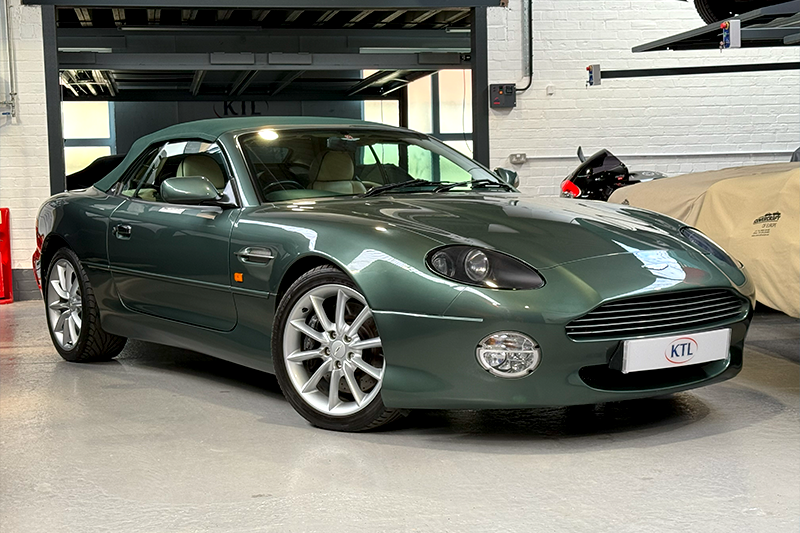
These vehicles are available for sale now and ready for you to take home.


From The Collection
Vehicles from our private collection, driven and enjoyed. You can make an offer to purchase one at any time.