The Porsche 911 SC: History, Driving Character and What to Check
The air-cooled Porsche 911 needs no introduction, but the 911 SC deserves more attention than it often gets. Built from 1978 to 1983, it is the model that convinced Porsche to keep the 911 alive at a time when the company was seriously considering replacing it, and it remains one of the most usable and rewarding ways into air-cooled ownership.
This guide covers what “SC” stands for, how the SC came to save the 911, what it is like to drive, and the practical things owners and prospective owners should understand before living with one.
What does SC stand for?
SC stands for “Super Carrera”. It was Porsche’s name for the 911 produced from 1978 to 1983, and roughly 60,000 were built worldwide across coupe, targa and cabriolet variants. That production volume means the SC is not rare in the way some earlier 911s are, but it does mean there is a healthy community, plenty of knowledge and a wide spread of condition among surviving cars.
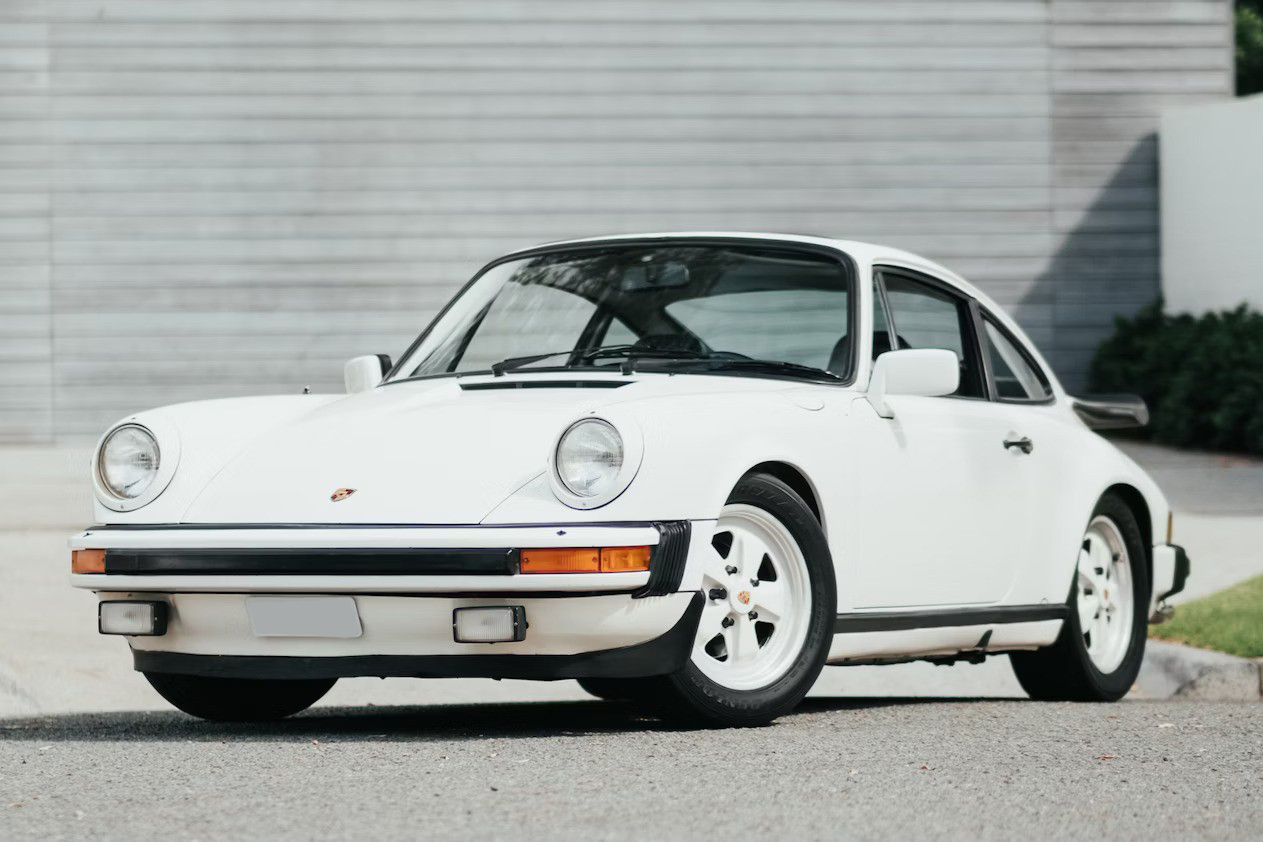
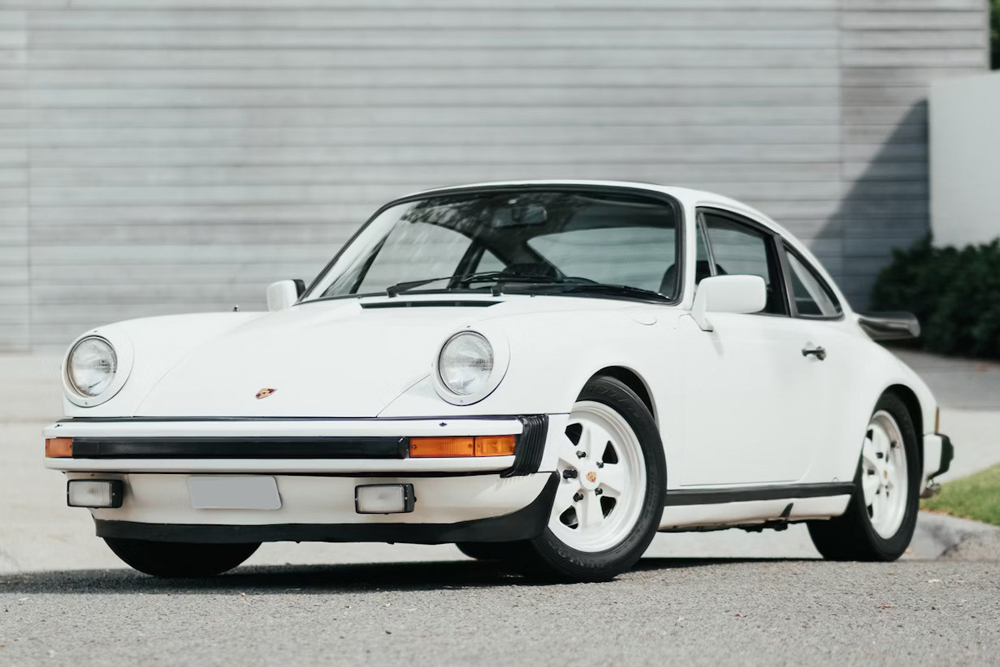
The SC’s classic silhouette, with its whale-tail spoiler, wide haunches and Fuchs alloy wheels, still turns heads at any cars and coffee. It is as at home on a winding mountain road as it is idling outside a waterfront restaurant.
The car that saved the 911
In the late 1970s and early 1980s, Porsche seriously considered ending the 911 line in favour of the 928. The success of the SC, which proved reliable, quick and refined, convinced the company otherwise. That decision shaped Porsche’s future, and it is why collectors increasingly describe the SC as the car that saved the 911.
The Australian context makes the SC even more striking. In the early 1980s, the local idea of a performance car was a big Falcon or Commodore, while Porsche was perfecting a compact, precise machine capable of daily civility and weekend driving thrills alike. Next to any domestic performance car of its era, the 911 SC stood well ahead in brand prestige, motorsport pedigree and long-term value.
The air-cooled driving experience
Driving an air-cooled 911 is unlike anything else. There is no power steering and there are no electronic aids, just direct mechanical purity. The steering is unassisted and full of feel, which goes a long way to explaining why the 911 became the yardstick for sports cars.
Engine and gearbox
The 3.0-litre flat-six produced around 180 horsepower in early cars and more in later model years, but it is the way it delivers that power that stands out. The engine note is sharp and urgent, and the light weight and responsive chassis make every corner feel alive. The five-speed manual gearbox is tight and mechanical; shifts are deliberate and rewarding, especially when heel-and-toeing through the gears on a spirited drive.
Handling a rear-engined car
The rear-engine layout demands respect, but once mastered it offers a handling balance that is deeply satisfying. It is a car that teaches its driver, and many owners find that the learning process is a big part of the appeal.
Design and cabin
From any angle, the 911 SC is a beautiful car. The flared arches, short rear overhang and iconic circular headlights make it instantly recognisable, and its proportions have not aged; if anything, they have become more revered. This era of 911 design is widely considered a sweet spot: aggressive but elegant, mechanical yet refined.
The interior is all business, with supportive seats, simple dials and nothing in excess. The SC is not about screens or gadgets; it is about connection to the car, to the road and to a legacy.
Owning a 911 SC today: what to check
One of the SC’s great strengths is that it is a usable classic rather than a highly strung exotic that needs constant pampering. It starts, idles and drives like a proper road car. That said, condition and history vary widely, so it pays to know where to look.
Head studs and chain tensioners
The SC is regarded as one of the most robust air-cooled 911s, particularly where major components such as the head studs and chain tensioners have been updated. Evidence that this work has been done is one of the most useful things to look for in a car’s history.
Body and corrosion
The SC benefits from a rust-resistant galvanised body, which is why it is often more solid than other classics of the era. A careful inspection is still worthwhile on any car of this age.
Mechanical refreshes and documentation
Sorted, well-documented examples are the ones most sought after, because refreshed major components spare the next owner from common overhaul bills. The 911 SC in our collection, for example, has had extensive engine and gearbox work along with upgraded brakes, which is the kind of history that makes an SC easier to enjoy.
The SC’s standing with collectors
Air-cooled 911s have a strong collector following, and the SC has recently become a focus for enthusiasts who recognise its significance. As prices for earlier and later models have risen, the SC has remained one of the more attainable air-cooled 911s, and well-maintained, ready-to-drive cars are especially appealing because they can be enjoyed straight away.
Tony’s view: air-cooled and honest
Tony likes the 911 SC because it is an honest, durable air-cooled 911 that rewards regular driving. Condition and history matter more than mileage, and rust checks matter most of all.
The 1982 Porsche 911 SC is part of the collection. Tony can also search for an SC or another air-cooled 911 here or overseas, and handle the import.
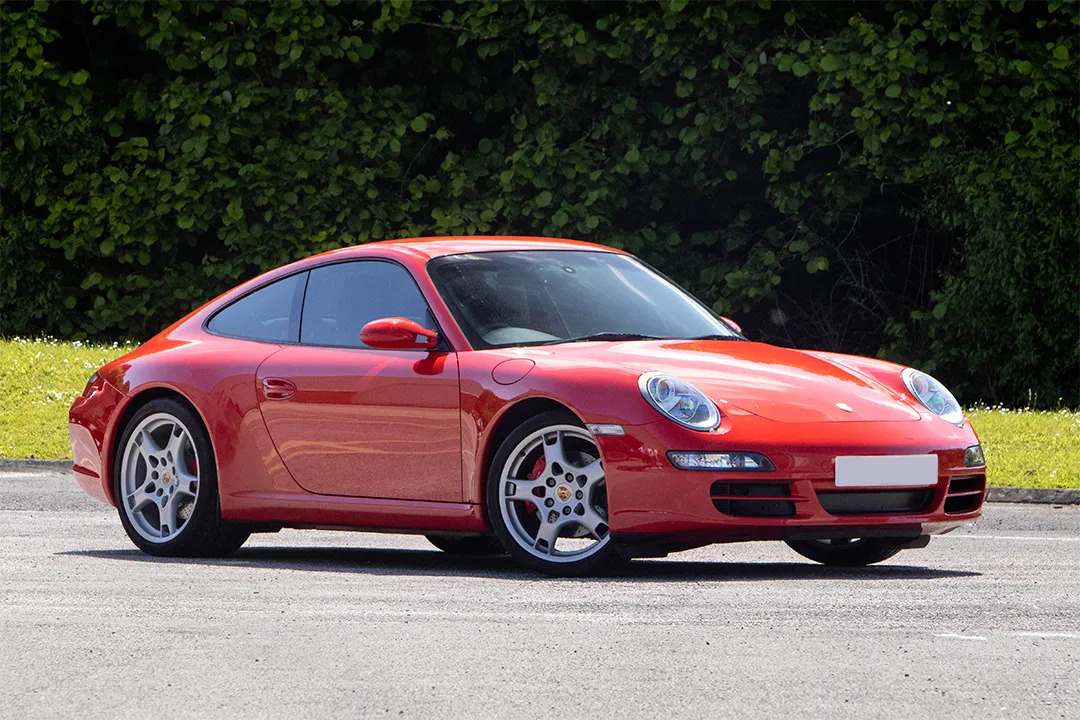
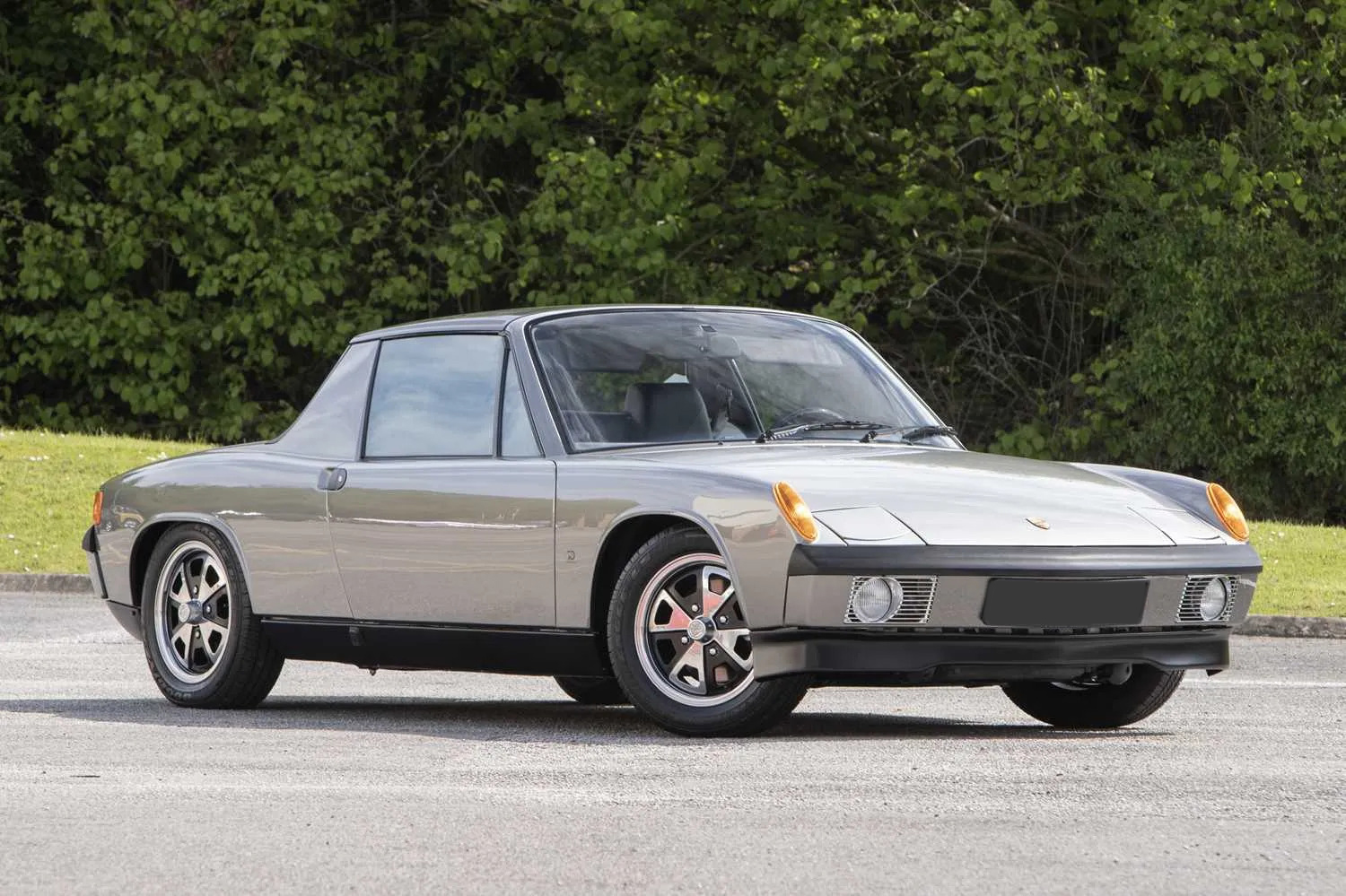
Keep reading: Buying a Porsche 997 Carrera S · The Porsche 914 Story
Frequently asked questions
What does SC mean in 911 SC?
SC stands for “Super Carrera”. It was Porsche’s name for the 911 model produced from 1978 to 1983.
Why is the 911 SC called the car that saved the 911?
Porsche seriously considered ending the 911 line in favour of the 928 in the late 1970s and early 1980s. The SC’s success as a reliable, quick and refined car convinced Porsche to keep the 911 going.
Is the 911 SC reliable?
It is one of the most robust air-cooled 911s, especially if major components such as the head studs and chain tensioners have been updated.
What is a 911 SC like to drive?
Raw, responsive and engaging. With unassisted steering, no electronic aids and a five-speed manual gearbox, it is a pure analogue sports car experience.
How many 911 SCs were built?
Roughly 60,000 across coupe, targa and cabriolet variants worldwide.
Do 911 SCs suffer from rust?
The SC has a rust-resistant galvanised body, so it is often more solid than other classics of the era, although any car of this age should still be inspected carefully.
For Sale Now
These vehicles are available for sale now and ready for you to take home.
From The Collection
Vehicles from our private collection, driven and enjoyed. You can make an offer to purchase one at any time.