The Mk1 Mini Cooper S: Giant-Killing History and What to Check Today
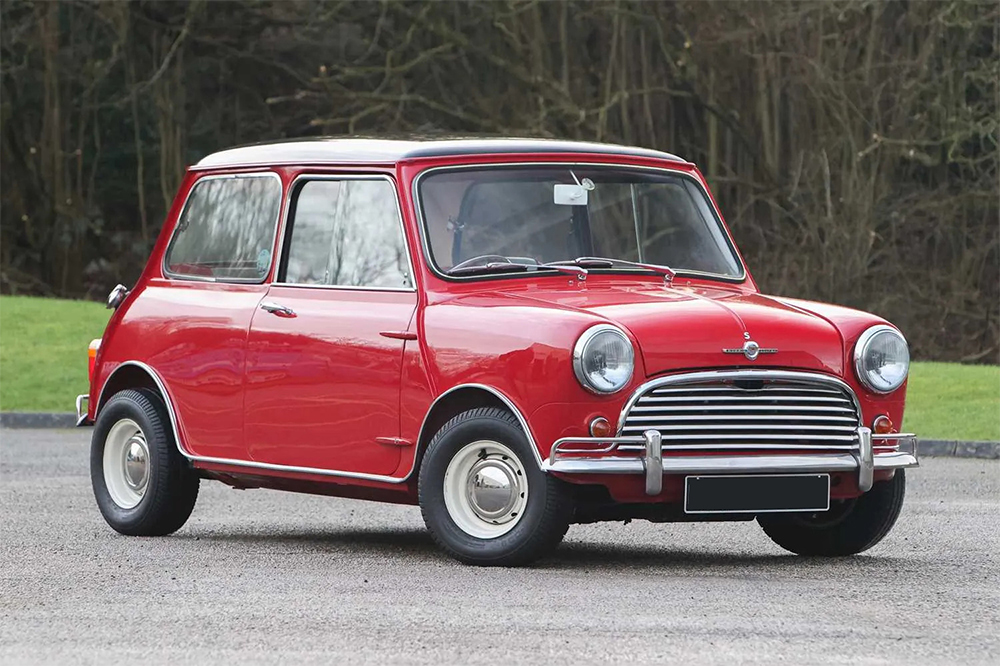
Small in size and immense in legacy, the Mark I Mini Cooper S is the clearest proof that greatness is not measured in cylinders or inches. It humbled bigger, more powerful cars on the rally stages of Europe and, memorably, at Mount Panorama, and it remains one of the most recognisable and best-loved classics in Australia.
This guide looks at what defines a Mk1 Cooper S, the competition history behind its reputation, how the 1275 engine and featherweight body combine on the road, and what to verify if you are thinking about owning one.
What defines a Mark I Mini Cooper S
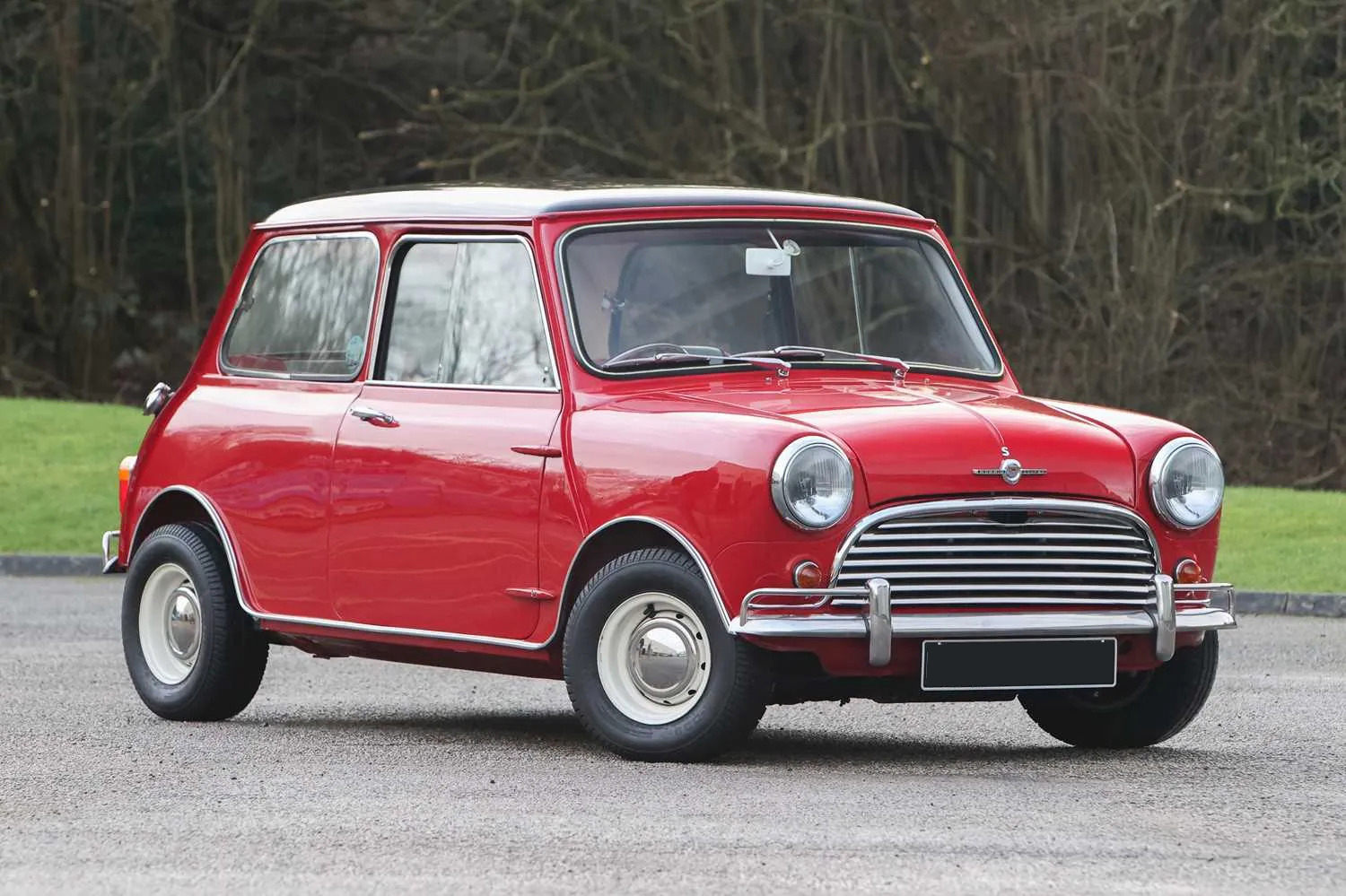
Mark I Mini production ran from 1959 to 1967, with Australian production continuing beyond that timeline, so build details can vary by market and year. As a generation, the Mark I is defined by early details that enthusiasts actively hunt for, including external door hinges and the distinctive “moustache” grille, alongside other period cues that instantly separate it from later Minis.
The classic look is part of the appeal. A two-tone finish with a contrasting white roof, often paired with rally-inspired stripes and flares, gives the Cooper S the cheeky champion character that made these cars icons in the first place.
The giant-killer at Mount Panorama
The Mini’s legend is not just European rally folklore; it is etched into Australian motor-racing history. The upset that still gets repeated in conversation happened at the 1966 Gallaher 500 at Mount Panorama Circuit, where a Morris Mini Cooper S driven by Bob Holden and Rauno Aaltonen took outright victory against larger, more powerful cars.
That win was not a fluke. Minis filled the first nine places on the grid that year and also finished first through ninth outright, a level of dominance that has become one of the most famous underdog stories in Australian touring-car history. It taught local enthusiasts that handling, weight and clever engineering could humble brute force, and it is a large part of why the Cooper S carries such emotional pull here.
Monte Carlo and the John Cooper pedigree
Part of the Mk1 Cooper S appeal is that it is a cultural icon with genuine competition credibility. BMW Group heritage materials recount how the Mini Cooper S won the Monte Carlo Rally in 1964 with Paddy Hopkirk and Henry Liddon, then added further overall wins in 1965 and 1967 through Timo Mäkinen and Aaltonen. The storyline is consistent: light weight, front-wheel drive and smart packaging repeatedly beat bigger rivals on difficult roads.
The Cooper story also has a name attached that collectors respect: John Cooper, whose performance instinct helped turn a humble small car into a giant-killer.
How the 1275 Cooper S drives
At the heart of the experience is the 1275cc British Motor Corporation A-series four-cylinder. In Mark I Cooper S form, it is commonly quoted at around 76bhp and 79lb-ft. That does not sound dramatic until you remember what it is moving: a car in the mid-600kg range in period tests and summaries (one Australian feature quotes 635kg), with front-drive traction and a short wheelbase that makes every input feel immediate.
Australian commentary has long pointed to the Cooper S’s “go-kart handling” and how its power-to-weight made it a genuine performance car rather than a novelty. It is not only fast at the limit; it is entertaining at suburban speeds too, darting through gaps and tightening its line mid-corner with an eagerness that newer, heavier performance cars sometimes struggle to replicate.
The gearbox question
Early Mini gearboxes are widely described as “3-synchro”, with synchromesh on second to fourth and a crash-style first gear, while later designs added synchromesh on all forward gears from 1968. In practical terms, a synchromesh upgrade can make stop-start driving and everyday shifts more forgiving without stealing the car’s analogue personality, which is why some owners choose one.
What to check before buying a Mk1 Cooper S
Buying a 1960s Mini is less about bravado and more about verification. The Mk1 Cooper S is iconic enough that demand remains broad, yet specialist enough that originality and quality matter enormously.
Authenticity and identity
Market guidance from Hagerty notes that the 1275 is the most-produced Cooper S engine variant, and that replica or misrepresented cars exist. Documentation and matching identity details are therefore central to buying well, and Australian commentary likewise stresses checking authenticity carefully rather than relying on appearance.
Corrosion
Corrosion can appear in many areas of these cars, so a proper inspection matters even when a car looks tidy in photos.
Restoration economics
Restorations can be expensive even on small vehicles, which often makes a genuinely excellent, already-sorted example a more rational choice than a project. That is the logic behind a concours-level restoration: show-ready presentation and the confidence to actually drive the car. The Mk1 Cooper S in our collection is a good example, having had a professional, no-expense-spared restoration along with a synchromesh gearbox upgrade, right-hand drive and a manual transmission.
References
- Mini (Mark I) background (era, identifying features, and Cooper S 1275 output).
- WhichCar report on the 1966 Gallaher 500 anniversary at Bathurst (drivers and significance of the upset).
- 1966 Gallaher 500 event summary (result and Mini dominance).
- WhichCar feature on the 1966 Cooper S (635kg claim, Bathurst dominance context, and local specification discussion).
- BMW Group heritage press release on Monte Carlo Rally wins (1964, 1965, 1967) and key drivers.
- Somerford Mini technical notes on the “3-synchro” gearbox and the move to synchromesh first gear in 1968.
- Hagerty valuation overview and model notes (market framing and warnings about verification).
- Hagerty UK buying guide (restoration economics for Mk1 1275 S models).
Tony’s view: originality is everything
With a Mk1 Cooper S, Tony looks for originality and proof. Plenty of ordinary Minis have been dressed up as Cooper S models over the years, so the numbers, the history and the right parts matter more than the paint.
The 1967 Mk1 Mini Cooper S currently for sale has been restored to concours condition, and you can watch the videos of it. Looking for a different spec? Tony can search for one, including in the UK, and handle the import. Buying from interstate? Here is how it works.
Keep reading: The Collector’s Eye: Deciphering Authenticity · The Porsche 911 SC
Watch the videos
1967 Mk1 Mini Cooper S
They All Fit in the 1967 MINI Cooper S… and Then Made It Shine Like a Mirror!
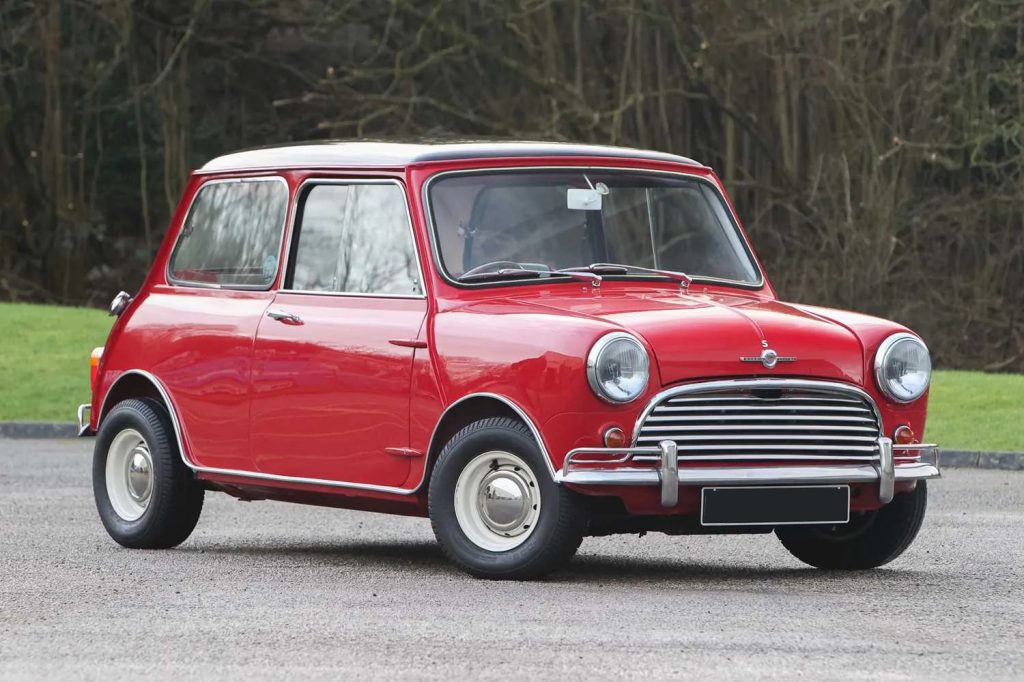 1967 Mark 1 Mini Cooper S,000 AUD Concourse Condition. Professionally restored to the highest standards, featuring a Syncro gearbox and an unbelievable driving experience. View this vehicle for sale →
Frequently asked questions
Is the Mk1 Mini Cooper S genuinely collectable, or just popular?
It is both. It has broad cultural recognition and a deep motorsport story, and high-quality examples are valued because originality and restoration quality strongly affect desirability.
What makes the Mk1 different from later Minis?
Mk1 cars are identified by early design cues such as external door hinges and the moustache grille, and they belong to the original 1959–1967 Mark I production era.
Did a Mini Cooper S really win Bathurst outright?
Yes. The 1966 Gallaher 500 at Mount Panorama was won outright by a Morris Mini Cooper S driven by Bob Holden and Rauno Aaltonen, and Minis filled the first nine outright positions.
How important is a synchromesh gearbox upgrade?
Early Minis are commonly described as “3-synchro”, with no synchromesh on first, while later designs added full synchromesh. An upgrade can make everyday driving smoother while keeping the car’s analogue feel.
How do you avoid buying a fake Cooper S?
Buyer guidance stresses that replicas exist, so confirming identity numbers and documentation is key. Australian commentary also emphasises checking authenticity details carefully rather than relying on appearance alone.
Are Mini restorations cheap because the cars are small?
Not necessarily. Specialist buying advice notes that restorations can still be costly despite the car’s size, which is why a strong, already-restored example can be the smarter path.
For Sale Now
These vehicles are available for sale now and ready for you to take home.
From The Collection
Vehicles from our private collection, driven and enjoyed. You can make an offer to purchase one at any time.