Buying a Classic Car from Sydney When You Live in Melbourne, Brisbane or Perth
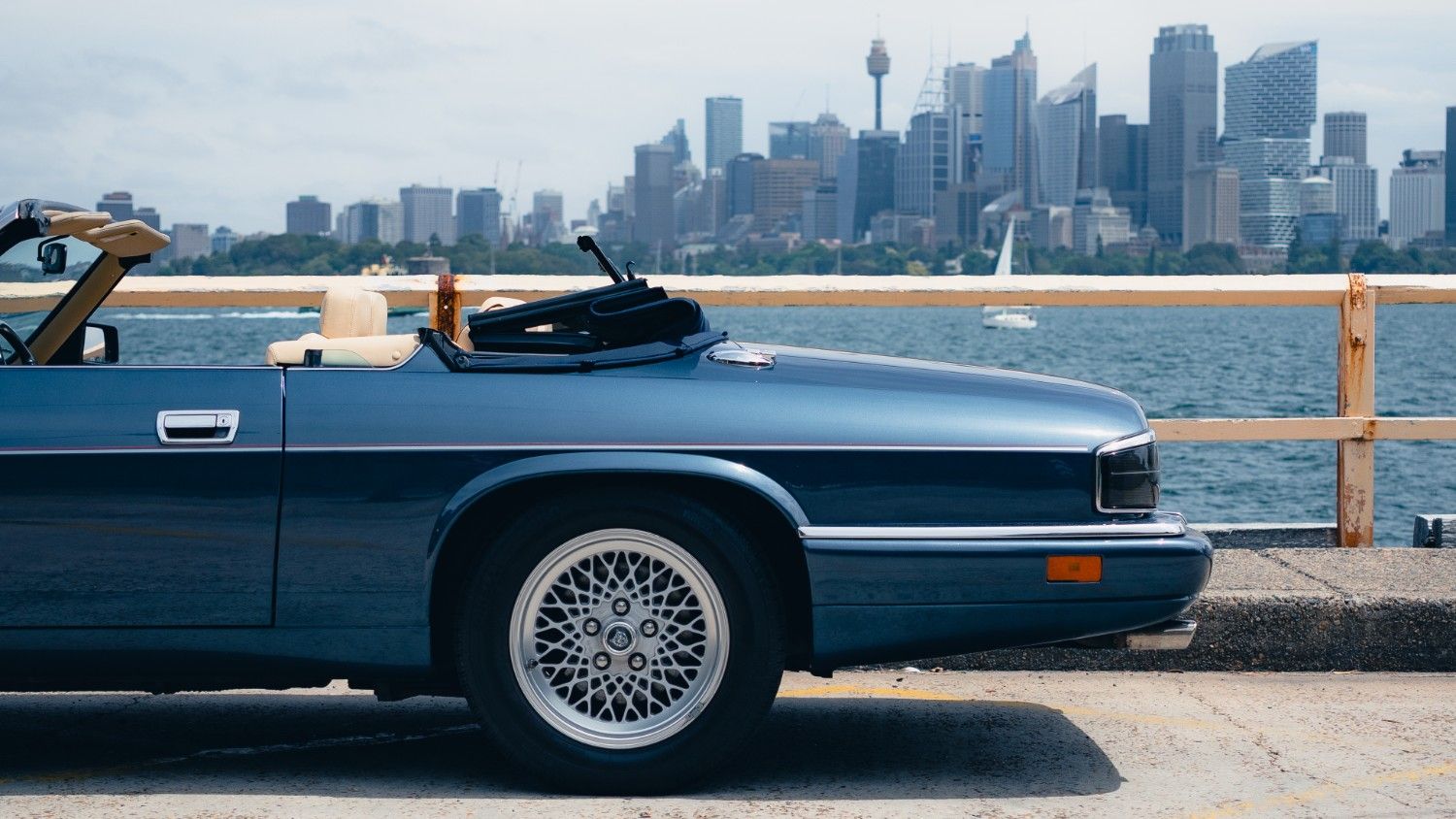
Some of the best classic cars in Australia are in Sydney, but plenty of the people who want them live in Melbourne, Brisbane or Perth. Buying a car you can’t easily drive around the block first can feel like a leap, and the logistics of getting it home and registered add another layer of questions.
The good news is that interstate classic car sales happen every week, and with the right steps they are straightforward. This guide walks through how to check a car from a distance, how to get it home safely, and what to expect when you register it in your own state.
Why buy a classic car from Sydney?
Sydney has one of the deepest pools of classic and collectable cars in the country, and many of them have spent their lives in a dry, mild climate. Cars imported through Sydney from the UK, Europe and the United States also land here first, which means some models are simply easier to find in Sydney than anywhere else.
For a buyer in another state, that wider choice often outweighs the extra effort of buying from a distance. The key is knowing the car is right before you commit.
Checking a car you can’t see in person
Ask for a live video walkaround
Photos only tell part of the story. A live video call lets you see the car start from cold, hear it idle, look underneath and inside, and ask questions as you go. A seller who is happy to do this is usually a seller with nothing to hide.
Get the paperwork before you get excited
Ask for the service history, ownership records, receipts for any restoration work and the current registration details. For a classic car, documented history has a real effect on value, so gaps are worth asking about. Our guide to spotting authenticity in a classic car covers what to look for.
Book an independent inspection
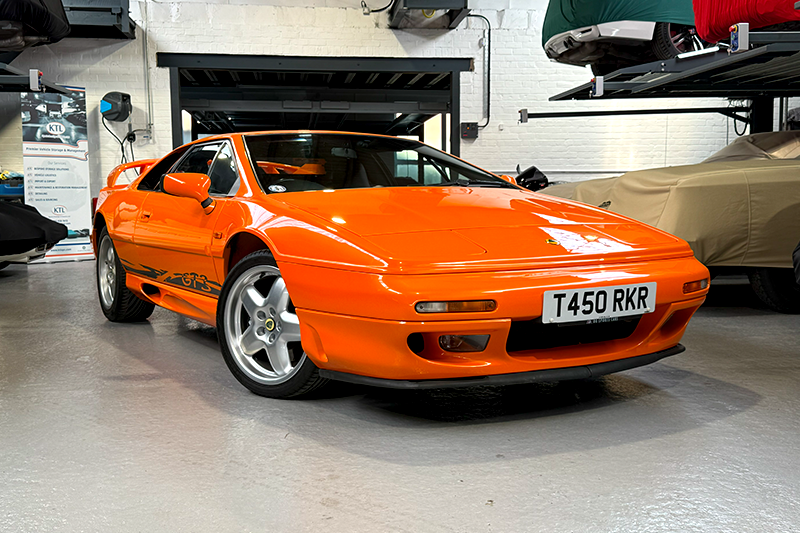
For any significant purchase, an independent pre-purchase inspection by a specialist who knows the make is money well spent. It gives you an unbiased view of the mechanical condition, the body and any hidden rust or repairs. Our buyer’s guides for the Mk1 Mini Cooper S, the Lotus Esprit GT3 and the Porsche 911 SC list the model-specific things to check.
Or make a weekend of it
Many interstate buyers still choose to fly in and see the car in person. A short trip is a small cost against the price of the car, and nothing replaces sitting in it. Tony is happy to arrange a time that works around your flights.
Paying for the car safely
Agree the price and terms in writing before any money moves. A deposit to hold the car while the inspection is done is common, with the balance paid by bank transfer before the car is released. Make sure the transfer paperwork, keys, spare keys and any history file are all handed over with the car.
Getting the car home
Enclosed transport
For a valuable or delicate classic, enclosed transport is the safest option. The car travels in a covered truck, protected from weather and road grit, and is loaded and unloaded by people used to handling low or fragile cars. Make sure the carrier’s insurance covers the full value of the car.
How long it takes
Sydney to Melbourne or Brisbane is usually a matter of days. Perth is further and usually takes a week or two, depending on the carrier’s schedule. The CCI Company works with trusted transport partners and can arrange this for you.
Driving it home
Some buyers prefer to drive the car home, which can be a great road trip in the right car. It does mean adding hundreds of kilometres to the odometer and taking on the risk of a breakdown far from home, so it suits newer and well-sorted classics best.
Registering the car in your home state
Once the car is home, you will need to register it in your state. The process differs between states, so check the details with your road authority, but in general:
- Victoria: a roadworthy certificate is needed to register a car coming from interstate.
- Queensland: a safety certificate is needed to register a car coming from interstate.
- Western Australia: cars coming from interstate are inspected before they can be licensed.
Stamp duty is paid in your home state when you register the car. Most states also have club or historic registration schemes for older cars, which can reduce costs if you only use the car occasionally. The rules for these schemes differ by state, so it is worth checking with your local car club.
Tony’s view: buy the right car, then drive it
Tony Hilton started The CCI Company alongside his main business because he loves finding cars most people never get to see. He works the auctions in Australia, the UK, Europe and the US, and friends overseas tip him off when a good car is about to come up for sale, often before it reaches a dealer or broker. Some of the cars he finds he keeps and drives. Others go to new owners right around the country.
His approach to owning a classic is simple: quality over quantity. Buy the best example you can, with the history to back it up, and then enjoy it on the road. A well-sorted car that gets driven is usually a happier car than one that sits under a cover. And distance shouldn’t be the thing that stops you. If a car is right for you, it’s worth a flight to Sydney or a few days on a transport truck, and if it’s overseas, it’s worth bringing in properly.
One Vision, Two Empires: The Story Behind The CCI Company
Tony on why he started The CCI Company alongside his main business, CCR.
How The CCI Company helps interstate buyers
Tony Hilton has sold cars to buyers right around Australia. He’ll walk you around the car on video, send you the full history, organise access for an independent inspection, and arrange enclosed transport to your door. If you are looking for something that isn’t currently for sale, he can also hunt one down for you, or import a car you’ve found overseas. And if you’re making room in the garage, he can help you sell your current classic too.
You can read more about how we work, or speak with Tony about a car you have your eye on.
More from the blog
- Investing in Classic Convertibles in Sydney: What Collectors Should Know
- Jaguar XJS vs E-Type: Which Classic Jaguar Should You Buy?
- What Is the Ariel Nomad? A Guide to Owning One in Australia
- Owning a Jaguar V12 in Australia: The 5.3 Litre Maintenance Guide
- Buying a Porsche 997 Carrera S: 997.1 vs 997.2, IMS and Bore Scoring
Frequently asked questions
Can I buy a classic car from Sydney without seeing it?
Yes. Many buyers do, using a live video walkaround, the car’s full history and an independent pre-purchase inspection. If you would rather see it in person, a short trip to Sydney is often worthwhile for a significant purchase.
How do I get a classic car from Sydney to Melbourne, Brisbane or Perth?
Enclosed car transport is the safest option for a classic. Melbourne and Brisbane usually take a matter of days, and Perth usually takes a week or two, depending on the carrier.
Can I keep the NSW registration?
You will need to register the car in the state where you live. Check with your state’s road authority for the timeframe and what inspection is needed.
Do I pay stamp duty in NSW or my own state?
Stamp duty is paid in your home state when you register the car there.
Can The CCI Company arrange transport?
Yes. Tony works with trusted transport partners and can arrange enclosed transport to your door anywhere in Australia, including for cars he sources or imports for you.
This blog is intended for general informational purposes only and does not constitute legal, financial or purchasing advice. Registration, inspection and duty requirements differ between states and change over time, so check the current rules with your state road authority before buying. The CCI Company encourages prospective buyers to arrange an inspection and review the documentation for any individual vehicle before making a decision.
For Sale Now
These vehicles are available for sale now and ready for you to take home.



From The Collection
Vehicles from our private collection, driven and enjoyed. You can make an offer to purchase one at any time.